
Pharmacy Practice
Referral Tracking: Follow the Visit and the Report
Follow clinical referrals into and out of a pharmacy, from the first request through the visit, returned report and unresolved follow-up.
October 16, 2026
5 min read

206 articles published
Follow clinical referrals into and out of a pharmacy, from the first request through the visit, returned report and unresolved follow-up.

Adapt appointment reminder texts for pharmacy visits, with clear confirmation and rescheduling options, limited details, and replies your team can handle.

Build a pharmacy clinical-service plan around patient demand, staffed capacity, expected collections and cash, with a worked break-even example.

Compare employer DPC memberships, workplace clinics and pharmacy clinical services by what they include, who provides care and how the work is funded.

Compare digital intake by what reaches the patient record, what staff still review, and how returning patients and walk-ins complete the process.

Learn how pharmacies get a Direct address, choose a recipient, send usable clinical records and distinguish delivery from a clinical reply.

Compare DocStation subscription and claim charges, then calculate a first-year pharmacy EHR budget that includes implementation and staff time.

Understand HIE access, the difference between sending and querying records, and what a pharmacy can learn when an exchange returns incomplete information.

Understand what a CCD contains, how it differs from C-CDA and a discharge summary, and how to read medication information from different sources.

Read medical-claim aging, separate insurer and patient balances, and reconcile payments and adjustments before deciding what still needs follow-up.

A pharmacy or pharmacist can be the rendering provider. Compare payer-specific examples and learn when no separate rendering NPI is required.

Compare DME billing with inventory, rental, delivery and resupply needs, then use two pharmacy examples to choose the software scope you actually need.

Compare medical billing fees with the combined cost of claim submissions, eligibility checks and ERAs, platform bundles and outsourced staff work.

PR-50 reports a medical-necessity denial and a patient-responsibility amount. Compare the coverage rule, clinical evidence and notice before collecting it.

PR-243 concerns network or PCP authorization. Compare the plan referral, separate prior authorization and claim before correcting a denial or billing a patient.

CO-231 flags two procedures the payer treated as mutually exclusive. A vaccine claim shows why the code pair, service date and payer rule matter.

CO-222 points to a provider contract limit. Compare the agreement and payer’s unit count before posting the adjustment.

Read a PR-49 adjustment in the context of the documented service and the plan’s preventive and diagnostic benefits before changing a claim or billing a patient.

Separate a confirmed coverage lapse from a pending premium grace period before acting on PR-200 for a pharmacy medical claim.

PR-45 assigns an above-allowed adjustment to the patient on the remit. Check the rate, contract and protections before billing.

Compare a clinical service date with the plan start date, earlier coverage and later enrollment updates before acting on PR-26.

Read CO-96 with its required remark to separate a coverage restriction, a billing-category mismatch and a statutory exclusion before acting.

Check a CO-131 negotiated discount against the agreed allowance, separate coinsurance from underpayment, and choose the right payment follow-up.

CO-256 points to a managed-care contract restriction. Identify a contract-record mismatch, a valid exclusion or a different payment route before acting.

PR-3 reports a copayment. Match it to the benefit and prior receipts to find what remains unpaid, with safeguards for secondary coverage and Medicare.

Find your Medicare PTAN in PECOS or enrollment records, choose the right contractor, and match the number to your pharmacy's location.
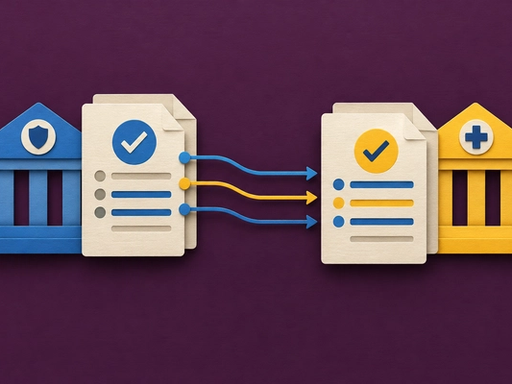
People search for CO-23, but ordinary secondary remittances use OA-23. Learn how to reconcile prior-payer activity without double-posting it.

CO-29 means the payer says the filing deadline expired. Learn what proves timely receipt and why Medicare and commercial plans need different responses.

B7 means the payer found the provider ineligible for a service on its date. Compare the claim identity and effective dates before correcting or disputing.

CO-151 says the payer found the billed quantity or frequency unsupported. Compare units, dates, and the payer rule before correcting or disputing.

PR-2 identifies coinsurance. Use a worked claim to check the percentage, deductible, secondary coverage, and amount left for the patient.

Learn when a pharmacy claim is an original, replacement, or void, and how the payer's control number keeps every version connected.

Learn why pharmacies use split billing for different workflows and how to identify the right claim, payer, benefit, and evidence before acting.

CO-A1 only says the claim was denied. Learn how the required remark code supplies the detail a pharmacy billing team needs next.

M51 says a claim has a missing, incomplete, or invalid procedure code. Use the full remittance and service-date source to find the actual problem.

N30 concerns eligibility for a service. See how a pharmacy can have active coverage on file and still receive an N30 adjustment.

MA130 means Medicare returned a claim or service as unprocessable. Learn what to correct, why an appeal will not help, and which lines to resubmit.

Use the CMS CLIA lookup to match an active certificate to the site that performed the test before the claim leaves your pharmacy.

CO-204 names a coverage result, not a complete work instruction. Use a coverage-evidence record to find the rule and choose a safe next route.

Use a searchable lookup for routine HCPCS work, then open the official quarterly file only to verify a change, dispute, or service-date exception.

Use the service-date quarter, HCPCS billing unit, and NDC crosswalk to calculate an expected Medicare Part B drug limit without mistaking price for coverage.

CO-97 says another adjudicated service already includes payment. Reconstruct the service pair and rule before correcting, posting, or appealing.

MA04 means a secondary payer lacks usable primary-payer information. Rebuild the claim from the final adjudication before resubmitting.

Learn what modifier QW means, when Medicare expects it, and how to match the exact test, CLIA certificate, and claim before billing.

Find the Kentucky Medicaid payment source that fits a pharmacy service, then verify coverage, enrollment, and the member's plan before billing.

Apply Medicare Secondary Payer rules only after confirming the covered Part B item, pharmacy enrollment route, and service-date coverage facts.

B15 means the payer expected another service before it could finish paying a claim line. Here is how to find that service in claim history.

Learn how an ERA, an EFT or check, and several medical claims fit together before your pharmacy posts a payment batch.

See how CPT or HCPCS procedure codes, ICD-10-CM diagnosis codes, and diagnosis pointers work together on a professional pharmacy medical claim.

Use the FDA database and a product-level record to confirm a test system is CLIA-waived before your pharmacy buys or uses it.

Payer reason codes explain an adjustment but may not settle the next action. See what billing experts and contextual software add.

Learn which supplier, order, medical-record, delivery, coding, and payment evidence a pharmacy needs before submitting a DME claim.

PR-1 reports deductible responsibility, but coverage, crossover, contracts, and patient protections still determine what happens next.

CO-11 reports a diagnosis-and-procedure mismatch. Documentation and payer rules determine whether to correct the claim or dispute the denial.

A clean claim can be processed, but that does not guarantee payment. Use claim evidence to decide when a pharmacy medical claim is ready to submit.

N381 is an informational remark code and does not deny claims by itself. Learn which codes carry the adjustment, where each payer keeps the governing rule, and when a balance can go to the patient.

Follow a pharmacy medical claim from submission through payer processing and remittance without getting lost in technical status codes.

Learn what CARC 18 means and use a three-path workflow to resolve a duplicate medical claim without blindly resubmitting it.

Use this Iowa-specific workflow to choose the right Medicaid fee schedule, provider type, benefit path, and service-date payment source.

Separate Indiana Medicaid fee-for-service, managed-care, and pharmacy-benefit payment sources before using a schedule amount.

Learn what a fee schedule means in medical billing, how it differs from an allowed amount, and how to document a defensible expected payment.

Use this Colorado Medicaid fee-schedule workflow to find the right source, verify service-date rules, and preserve a reviewable payment record.

Learn which Florida Medicaid fee schedule applies, how to find the service-date amount, and what to confirm before billing.

Use this six-step CO-226 workflow to identify information owed by the provider, verify the source record, and follow the payer's supported response path.

CO-253 is usually an expected Medicare payment adjustment. Learn why it happens, how to post it efficiently, and when a mismatch deserves investigation.

Use this six-step PR-227 workflow to identify missing member information, collect it safely, and follow the payer's supported correction path.

Use this Texas Medicaid rate-check workflow to separate fee-for-service rates from managed-care pricing and verify the rules behind a claim amount.

Use this benefit-limit workflow to verify prior usage, choose the right next action, and avoid unsupported patient balances after PR-119.

Use this four-path workflow to find the conflicting same-day code pair, understand the payer's rule, and resolve CO-236 without unsupported modifiers.

Use this five-step workflow to reconcile a CO-45 adjustment, protect patient balances, and decide whether to post, investigate, or correct it.

New CPT codes make standalone immunization counseling worth testing. Here is a practical payer-by-payer pilot for pharmacy teams.

Effective July 1, 2026, Michigan Medicaid pays pharmacists for immunizations, CLIA-waived testing, test-and-treat, and contraception. Here is how to bill it.
Everything that shipped in Q2 2026, including Patient Billing, Secondary Claims, Copilot chat, new eligibility validations, and Medicare Advantage indexing.

If you’ve ever wondered, “Will AI replace pharmacists?” you’re not alone. These kinds of questions are circulating among professionals as AI and automation make their way into the healthcare industry. The short answer is: no. AI and automation aren’t meant to replace pharmacists. Instead, they’re here to enhance the vital, human-centered services that you already provide.

Let’s clear up the confusion by debunking one common myth and revealing three important truths about CPT code 99211 that every pharmacist should know.

In simple terms, automation in pharmacy refers to the use of technology to carry out tasks that were previously performed manually by pharmacists and staff. The goal of pharmacy automation is to streamline routine processes, improve accuracy, and free up pharmacists to focus on patient care rather than administrative tasks.

The revenue cycle begins the moment a patient schedules an appointment. Whether they’re visiting for a routine check-up or filling a prescription, proper patient registration ensures that your healthcare facility has accurate contact and billing information. This is the cornerstone of the process, as errors at this stage can snowball and cause issues down the line.

Let’s understand why skipping data backup in pharmacy management software could cost you everything and why investing in a reliable backup solution is more critical than ever

Telehealth has transformed healthcare delivery, allowing patients to access care remotely. From virtual doctor visits to digital health consultations with specialists, telemedicine has become a viable option for many healthcare providers. Pharmacists are also entering this space, offering services that range from medication management to remote patient monitoring. For solo pharmacist telehealth, offering telehealth services means greater flexibility, the potential to expand their practice, and the ability to reach patients who may have difficulty accessing traditional in-person care.

In this landscape, pharmacists are emerging as key players in filling the gaps left by the shortage of doctors. With their specialized training, broad knowledge of medications, and focus on patient care, pharmacists have the potential to improve healthcare access and patient outcomes in ways that benefit both the healthcare system and patients. But to fully realize this potential, it is essential to expand the pharmacist’s scope of practice, recognize their pharmacist provider status, and integrate them into collaborative healthcare teams.

Medication adherence is one of the most important factors in improving patient outcomes. When patients don’t take their medications as prescribed, it can lead to worse health conditions, higher hospital readmission rates, and ultimately higher healthcare costs. However, many pharmacies fail to track patient adherence on a consistent basis. Without these reports, you miss out on identifying gaps in care and opportunities to improve patient engagement.

The role of the pharmacist is evolving. No longer just dispensers of medication, pharmacists are becoming integral members of the healthcare team. With the rapid growth of managed care, pharmacists now play a crucial role in optimizing health outcomes, improving medication adherence, and managing chronic diseases. The integration of cutting-edge innovations into pharmacy practice is not only streamlining operations but is also improving patient care in unprecedented ways.

Navigating the world of pharmacy insurance reimbursement can be challenging. Pharmacies often face complex billing requirements, payer-specific rules, and frequent claim denials. To ensure that your pharmacy receives appropriate compensation for services rendered, it’s crucial to have proactive insurance reimbursement strategies in place. Without a structured approach, pharmacies can struggle to get reimbursed properly, which affects cash flow and overall financial health.

For pharmacies, payer contracting and credentialing are integral to providing services that are reimbursed by insurance companies. Both are essential parts of joining pharmacy insurance networks, but they serve different purposes and require separate steps. Understanding the differences between credentialing vs. contracting can help pharmacies navigate these processes more efficiently and avoid delays or rejections.

Clinical documentation is a cornerstone of modern pharmacy practice. As a pharmacist, maintaining precise and up-to-date pharmacy patient records is essential for ensuring continuity of care, supporting patient safety, and improving health outcomes. Pharmacist clinical documentation isn’t just a record-keeping task; it plays a vital role in the care plan documentation, facilitating pharmacist interventions and guiding the patient care process.

Medicare Part B covers COVID‑19 vaccines broadly. Updated 2024–2025 formulations from Moderna, Pfizer‑BioNTech, or Novavax are covered for anyone with Medicare, including those who are older or immunocompromised.

You start by carefully reviewing the Medicare Explanation of Benefits or remittance advice. These documents include denial codes that reveal why a vaccine claim was rejected. Every code means something specific, like eligibility lapse, missing documentation, or mismatched coding with the vaccine date, dosage, or setting.

Effective payer contract analysis begins by identifying and thoroughly understanding the contract’s foundational elements:

When pharmacists across the country administer vaccines, they step into a landscape shaped not only by clinical standards but also by a patchwork of regional immunization reimbursement rules. Medicare Part B billing by region varies. Pharmacies in one state may receive a higher rate for an influenza vaccine while others lag behind. These regional billing variations matter deeply. They influence whether providers stock certain vaccines and determine their financial viability. Behind every dose lies a complex intersection of state‑specific reimbursement expectations and operational realities. Understanding how vaccine coverage and payment rates differ across geographies is no longer optional but essential for pharmacy teams.

Insurance verification is one of the most important front-end RCM processes in pharmacy operations. A clean claim starts with accurate eligibility checks. Without proper verification, pharmacy insurance issues quickly spiral into denied claims, delayed payments, and patient dissatisfaction. For pharmacists and staff, troubleshooting insurance verification is not just about catching errors but creating a system that anticipates problems before they appear.

In the fast-paced world of multi-location pharmacies, revenue leakage can be a silent yet dangerous threat to profitability. While pharmacies are expected to provide essential healthcare services, many struggle with operational inefficiencies that directly impact their bottom line. The absence of proper visibility into the revenue cycle can lead to missed opportunities for reimbursement, delayed payments, and financial instability.

Running a pharmacy is no easy task, and when you add multiple locations to the mix, it can get even more complicated. Managing revenue and cash flow becomes crucial as pharmacies strive to stay profitable, competitive, and efficient. In the past, pharmacies relied heavily on spreadsheets and manual processes to track finances, but this approach is no longer practical or efficient. Today, pharmacy enterprise chains are turning to real-time RCM (Revenue Cycle Management) dashboards to get an accurate, immediate view of their financial health. These dashboards provide powerful pharmacy revenue cycle management tools that enable better decision-making, proactive issue resolution, and significant cost savings.
Denial rates are a common challenge for pharmacies across the country. For many, dealing with denied claims can be frustrating, time-consuming, and ultimately harmful to cash flow. In an industry where timely payments are crucial, denied claims can significantly impact a pharmacy’s bottom line. But what if there was a way to not only reduce denials but also improve overall collections and cash flow? This is the success story of how one of our customers, a multi-location pharmacy, achieved exactly that. With the help of advanced pharmacy RCM automation and pharmacy software to improve collections and cash flow, our esteemed client was able to reduce their denial rates by 30%, turning their financial struggles into a success.

In recent years, pharmacies have become a central force in delivering immunizations, particularly in times of crisis like the COVID-19 pandemic. It’s no surprise that people turn to pharmacies for their accessibility, extended hours, and convenience. For many, the local pharmacy is where they go first to get their flu shots, COVID-19 vaccines, or RSV immunizations.

When it comes to providing essential vaccinations to seniors and individuals with certain health conditions, pharmacies play an essential role in ensuring that immunizations are accessible. However, billing for these services, especially under Medicare immunization billing, can be daunting due to the complex web of rules, codes, and regulations that vary across payers.
Pharmacy RCM encompasses all the administrative and clinical functions involved in processing a pharmacy’s claims, from prescription intake through to payment receipt. It includes verifying patient eligibility, ensuring accurate medication dispensing, coding the claim correctly, submitting claims to insurance providers, and managing denied claims. At the core of pharmacy RCM is ensuring that the pharmacy is reimbursed for its services accurately and in a timely manner.

Inefficient pharmacy billing software can be a silent culprit behind revenue leakage, causing pharmacies to lose significant income without realizing it. Let’s explore the top signs your billing software might be causing financial loss.

One of the biggest hurdles pharmacies face when implementing new pharmacy billing software for multi-location pharmacies is the fear of disruption. Transitioning from an old system to a new one involves risks, especially when you have multiple locations to manage. Pharmacy leaders often worry about the complexities of managing the process, potential downtime, and the learning curve for staff.

Pharmacies that operate across multiple locations face unique challenges, especially when it comes to managing billing processes. Manual processes or disparate systems at different locations can cause delays, errors, and inefficiencies. Implementing the right pharmacy billing software for multi-location pharmacies helps streamline operations, reduce operational costs, and ensure consistency across the board.

With flu season approaching and prescription margins continuing to shrink, independent and regional pharmacies are facing unprecedented pressure to find new revenue streams. DocStation’s innovative pharmacy software has just launched a revolutionary vaccine billing solution that could transform how pharmacies approach medical billing—and early results are already exceeding expectations.
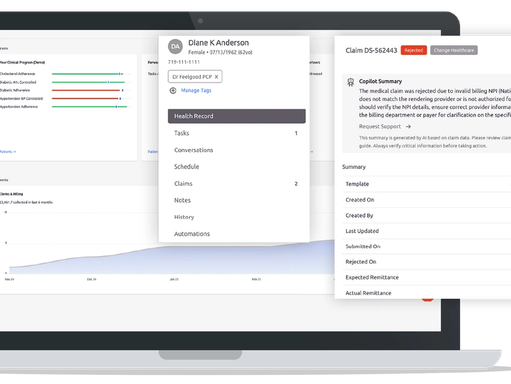
Medicare Part B billing for pharmacy services shouldn’t feel like solving a puzzle with missing pieces. Yet for too long, pharmacy providers have struggled with the complexities of determining the right payer, validating coverage, and ensuring claims are submitted correctly the first time.

Coordinating multiple insurance coverages is no longer the exception—it’s becoming the norm. With patients increasingly covered by more than one insurer, pharmacies must adjust to a billing environment that demands precision, compliance, and robust claim tracking. You face challenges like identifying the correct payer order, gathering complete coverage details, and billing within the required timeframes. Failure to manage these tasks results in denied claims, delayed payments, and unnecessary administrative costs. This complexity underscores why mastering secondary insurance billing and the pharmacy COB process is vital for long-term operational and financial health.
Coordinating multiple insurance coverages is no longer the exception—it’s becoming the norm. With patients increasingly covered by more than one insurer, pharmacies must adjust to a billing environment that demands precision, compliance, and robust claim tracking. You face challenges like identifying the correct payer order, gathering complete coverage details, and billing within the required timeframes. Failure to manage these tasks results in denied claims, delayed payments, and unnecessary administrative costs. This complexity underscores why mastering secondary insurance billing and the pharmacy COB process is vital for long-term operational and financial health.

Navigating the complexities of vaccine billing requires a clear understanding of the medical benefit landscape. Vaccines can be covered under either the pharmacy or medical benefit, depending on the payer and the specific vaccine. For instance, Medicare Part B covers certain vaccines like influenza and pneumococcal, while others like shingles may fall under Part D. Understanding these distinctions is crucial for accurate billing and maximizing reimbursement.

Flu shot reimbursements are more lucrative than many pharmacists realize. Each year, countless pharmacies, clinics, and health systems miss out on thousands of dollars in unclaimed revenue simply by failing to bill accurately for both the influenza vaccine product and its administration.

Flu shot reimbursements are more lucrative than many pharmacists realize. Each year, countless pharmacies, clinics, and health systems miss out on thousands of dollars in unclaimed revenue simply by failing to bill accurately for both the influenza vaccine product and its administration.

In today’s fast-paced healthcare environment, staying ahead of the game is crucial to ensure smooth, efficient, and compliant medical billing. Electronic Data Interchange (EDI) is at the heart of that process, streamlining communication between healthcare providers, insurance companies, and clearinghouses. EDI enables you to submit claims, check patient eligibility, track claim status, and receive electronic remittance advice (ERA), all of which are essential for maintaining a healthy revenue cycle. However, one thing is often overlooked: the importance of EDI enrollment before starting the billing process.

CMS has added several new Current Procedural Terminology (CPT) codes to expand telehealth services:

Webinar Date: May 20, 2025 Presented by: Dr. Angelina Tucker, PharmD, BCGP, CDCES & Rachael Matz, Head of Clinical Solutions, DocStation

Billing medical claims isn’t just about submitting codes and hoping for reimbursement. It starts with registration—and if your pharmacy or staff isn’t set up correctly, you’re risking rejected claims, delayed payments, and compliance issues. Whether you’re launching medical billing for the first time or expanding services, how you register matters.

Billing medical claims isn’t just about submitting codes and hoping for reimbursement. It starts with registration—and if your pharmacy or staff isn’t set up correctly, you’re risking rejected claims, delayed payments, and compliance issues. Whether you’re launching medical billing for the first time or expanding services, how you register matters.

Why Outdated Billing Systems Are Holding Pharmacies Back—and What You Can Do to Maximize Revenue and Simplify Immunization Services

In the heart of a bustling clinic, you notice that despite a steady stream of patients, the financial health of your practice isn’t reflecting the hard work you put in daily. Delayed reimbursements and frequent claim denials have become all too common, threatening the quality of care you strive to provide. This scenario underscores a critical aspect of healthcare operations: mastering the healthcare revenue cycle is essential for financial stability and also for delivering uninterrupted patient care.

Explore clinical service opportunities and practical considerations for scope of practice, reimbursement, staffing, workflow, and provider collaboration.

Credentialing is an essential part of the healthcare system, allowing providers, including pharmacists, to be recognized as eligible participants for reimbursement from health insurance plans. Pharmacists’ involvement in patient care, especially in medication therapy management (MTM) and chronic disease management, has grown significantly in recent years. As such, understanding the provider credentialing process is critical for ensuring reimbursement, access to patients, and continued professional growth. In this article, we will delve into what pharmacist provider credentialing is, why it’s essential, and how it varies depending on the type of payer, including Medicare and commercial insurances. Additionally, we will explore the difference between credentialing and contracting, as well as the role of third-party services in simplifying the process.

Healthcare providers often struggle with administrative bottlenecks, compliance complexities, and ever-rising operational costs. At the same time, they are under pressure to provide an elevated level of patient care and maintain fiscal well-being. This is precisely where automation becomes a catalyst for ongoing improvement, reducing errors, enhancing patient experiences, and boosting revenue cycles.

In the evolving landscape of healthcare, community pharmacies are uniquely positioned to enhance patient care by integrating clinical services into routine operations. By transforming everyday patient touchpoints into billable encounters, pharmacies can improve health outcomes and secure additional revenue streams. This comprehensive guide provides a roadmap for pharmacies aiming to make this pivotal transition to billing for clinical services.

In the evolving landscape of healthcare, community pharmacies are uniquely positioned to enhance patient care by integrating clinical services into routine operations. By transforming everyday patient touchpoints into billable encounters, pharmacies can improve health outcomes and secure additional revenue streams. This comprehensive guide provides a roadmap for pharmacies aiming to make this pivotal transition to billing for clinical services.

After spending two decades knee-deep in healthcare revenue cycles (yes, I proudly call myself a revenue cycle nerd!), I’ve learned that the difference between a thriving pharmacy clinic and one struggling to keep its doors open often comes down to one thing: how well they manage their revenue cycle. Whether I’m taking a break from hiking with my family or stepping away from playtime with my five grandchildren, I’m often reflecting on how to make RCM more accessible to those just starting in this field.

Healthcare billing can be a complex maze of decisions and verifications that consume valuable time better spent on patient care. The DocStation AI™ Payer Prediction Model is transforming this landscape by streamlining the medical claim submission process with remarkable accuracy and efficiency.

Imagine you run a healthcare practice where your team submits dozens of claims for reimbursement one day. A week later, you noticed that a large number of those claims were denied. The reasons vary—one claim has an incorrect CPT code, another is missing a required modifier, and one patient’s insurance was inactive on the date of service.

*Note: This guide uses the fictional story of Mae Whelan and Whelan’s Pharmacy to illustrate the real opportunities and challenges in DME billing. While Mae’s story is fictional, it represents the actual experiences of many independent pharmacies implementing DME programs.*

Did you miss our free webinar, “Driving Revenue Through Immunizations?” No worries! You can now watch the recording on YouTube or reference the PDF of the presentation here.

The complexity of handling multiple medical insurance claims demands a systematic approach to ensure accurate processing, timely reimbursements, and compliance. Secondary insurance billing and coordination of benefits (COB) are integral to managing these claims efficiently, ensuring patients receive maximum coverage while pharmacies maintain financial stability.

Claim remittance advice codes—commonly referred to as CARCs (Claim Adjustment Reason Codes) and RARCs (Remittance Advice Remark Codes)—are an essential part of the healthcare billing landscape. These codes provide critical insights into why a healthcare claim has been adjusted, denied, or paid differently than expected.

It’s a busy Monday morning at a neighborhood pharmacy. Jane, the pharmacist, greets her first customer of the day, Mr. Roberts, who needs his prescription refilled. As she processes his insurance card, Jane notices a rejection: “Invalid BIN/PCN.” Knowing how to decipher these codes is crucial to ensure Mr. Roberts receives his medication without delays.

Prior authorization (PA) is a gatekeeping process used by payers to ensure the appropriateness of prescribed treatments or medications. Although essential, it creates administrative hurdles that often delay care and increase the workload for pharmacies. Pharmacies need solutions that streamline the PA process while ensuring compliance, efficiency, and timely patient care.

A patient with diabetes visits a neighborhood pharmacy for a quick follow-up, seeking advice on managing blood sugar levels. The pharmacist evaluates the patient’s glucose log, discusses minor dietary adjustments, and reinforces the importance of medication adherence. Though brief, this interaction reflects meaningful clinical care. The question arises—can this encounter be billed under CPT code 99211?

Pharmacy operations have become increasingly complex as patient expectations rise and regulatory demands grow. Unfortunately, many pharmacies still rely on outdated software systems, creating obstacles that affect efficiency, compliance, and patient satisfaction. Among the most pressing challenges is the problem of medical insurance claim processing issues. This not only impacts pharmacy revenue but also disrupts patient trust and care delivery.

Today, pharmacies are moving beyond traditional roles to provide a range of clinical services that significantly improve patient care. These services—from immunizations to chronic disease management—benefit patients and create new revenue streams for pharmacies. As pharmacies gear up for an evolving healthcare landscape in 2025, establishing a solid foundation for credentialing and enrollment is key to staying competitive.

Navigating the intricacies of vaccine billing can be intimidating, primarily due to the varying ways vaccines are covered by insurance.

Pharmacies must navigate a maze of regulations from bodies like the FDA, DEA, State Boards of Pharmacy, and CMS. These regulations cover a wide range of areas:

Few medical professionals wear more hats than a pharmacist.

Navigating the nuances of Medicare can be a challenge for anyone in the medical profession.

Did you miss our free webinar, “Driving Revenue Through Immunizations?” No worries! You can now watch the recording on YouTube or reference the PDF below.

Twenty years after Harry Truman spoke these words about the necessity of national healthcare, President Lyndon Johnson signed into law Medicare legislation, a historic moment intended to transform American healthcare for the better, forever.

In the medical field, there are few sayings that are more true than this one.

It’s a wild world out there for pharmacists these days. From ever-changing formulary lists and frustrated patients, to staying updated with the latest regulations, keeping your head above water can often feel like a constant battle.

At the forefront of healthcare innovation, the integration of Artificial Intelligence (AI) and automation in pharmacy operations is still just budding, yet it’s poised to redefine the way we manage and deliver care. As someone deeply embedded in the tech side of healthcare, I see a world of opportunity—but it’s crucial that we navigate it wisely.

Estimates say that there will be a shortage of 17,800 to 48,000 primary care physicians in the United States by 2034, according to the Association of American Medical Colleges (AAMC).1

In the dynamic world of healthcare, the distinction between clinical and staff pharmacy roles emerges as a critical factor in navigating for better patient outcomes. Just as understanding the intricacies of HCPCS and CPT codes is vital for pharmacies to ensure proper billing and service provision, recognizing the differences between clinical and staff pharmacies is key to optimizing healthcare services and patient care.

CPT codes describe services; HCPCS Level II codes cover products, supplies, and Medicare-specific services. Here is the difference, when a pharmacy uses each, and the flu shot example that makes it click.

Your pharmacy loses money every time a person forgets or is unable to fill their prescriptions for chronic disease medications. Not only that, but it can also affect your patient’s well-being.

Medication errors, adverse drug reactions, and non-adherence all pose significant threats to patient well-being. So, quality improvement initiatives (QI) represent a strategic and necessary commitment to advancing the safety of healthcare services.

In today’s healthcare landscape, juggling multiple providers and medications has become the norm. A Personal Medication Record (PMR) emerges as a crucial tool in this complexity, offering a streamlined way for patients to keep their medication regimens in check.

DocStation stands at the forefront of healthcare technology, committed to connecting pharmacists and payers to enhance patient outcomes. As we navigate the complexities of the $3 trillion healthcare industry, we’re excited to share a strategic development that promises to significantly bolster our operational capabilities.

All pharmacies benefit from tools that improve efficiency. A pharmacy management system (PMS) is the best helping hand to support your operations as they grow. With useful features like inventory management, health records, and automated reimbursements, you can improve your team’s efficiency, increase revenue, and enhance patient care with pharmacy software systems.

Forget overflowing file cabinets and mountains of paperwork. The future of pharmacy is digital, and adopting an Electronic Health Records (EHR) system is key to that transition. Implementing an EHR isn’t just about replacing paper with pixels. It’s a strategic decision that impacts your entire pharmacy ecosystem. From boosting efficiency to enhancing patient interactions, the right EHR can be a game-changer.

In the evolving landscape of pharmacy operations, the integration of healthcare document management software is becoming increasingly crucial. This sophisticated technology streamlines how pharmacists manage, store, and retrieve vital healthcare documents, enhancing efficiency and patient care. Let’s explore the transformative impact of this software in the world of pharmacy.

November is a special month for all of us. The autumn leaves are at their peak, but more importantly, it is National Diabetes Awareness Month. As pharmacists, our role is vital in the lives of diabetes patients. This observance provides us with a unique opportunity to make a significant impact on their health and well-being. In this guide, we will delve into the significance of Diabetes Awareness Month, explore the associated symbols and color for diabetes, and discuss how pharmacists can best serve their diabetes patients during this crucial time.

Pharmacy billing processes can be complicated and time-consuming thanks to complex billing codes, manual entry errors, authorization issues, adjudication delays, and more. These factors cause headaches that steal valuable time from patient care. That’s why savvy pharmacies invest in software to streamline the process.

In today’s fast-paced pharmacy environment, efficiency is key. Pharmacists need tools that can streamline their workflow and save valuable time. DocStation understands this need and has introduced a new feature that allows users to export a list of patients effortlessly! In this blog post, we will guide you through the process of exporting patient lists from DocStation and explain how you can apply filters to generate customized reports, all in just a few simple steps.

Flu season is upon us, and for pharmacists, this means a surge in vaccine administrations and billing tasks. Manual billing for vaccine claims can be a cumbersome and time-consuming process, leaving pharmacists with little time for other crucial activities. But what if there was a smarter way to manage your pharmacy’s billing process? Enter DocStation’s Auto-Billing technology, a revolutionary solution that harnesses the power of AI to streamline billing during flu season and beyond.

In the ever-evolving landscape of healthcare, efficiency and precision are paramount. Pharmacists, as frontline healthcare providers, are constantly seeking ways to streamline their processes and enhance patient care. Enter DocStation’s BIN billing – the latest game-changing feature that allows pharmacies to submit claims directly from their dispensing system for automated medical billing. But what exactly is BIN billing, and why should it matter to you? Let’s dive into the details.

In today’s dynamic healthcare landscape, the role of pharmacies in delivering patient-centered care has never been more important. The marketplace has a growing number of direct-to-consumer options as individuals increasingly seek comprehensive and personalized healthcare experiences. Pharmacies stand at the intersection of medical expertise and community accessibility that poises them to capitalize on consumer needs and wants.

Passed HB 1007 which expands RPh’s authority to prescribe HIV PrEP/PEP via a statewide protocol.

Welcome to DocStation’s Product Changelog and Release Notes! This document is regularly updated to showcase both minor and major platform and product updates. Where applicable, help articles, demo videos and screen recordings will be linked for further information.

In today’s increasingly digital world, artificial intelligence (AI) has emerged as a transformative force, revolutionizing industries and reshaping the way we work.

Pharmacy benefit managers (PBMs) are the malevolent puppeteers in the complex ecosystem of the pharmacy world. These entities, known for their opaque pricing models and damaging reimbursement policies, have mercilessly crushed pharmacies with their practices, leading to such abysmal reimbursement rates that many pharmacies have either had to close their doors or seek revenue outside of dispensing revenue tied to PBMs.

Medication therapy management (MTM) is a program that can help ensure patients receive the most appropriate medications and allows pharmacists to efficiently monitor a patient’s progress and optimize health outcomes. Learn more about how MTM can improve patient outcomes while making medication management easier for providers.

Before your pharmacy can run flu, strep, COVID-19, or A1c tests, it needs a CLIA certificate that matches each test system. For most pharmacy programs that is a Certificate of Waiver. Here is how CLIA works, what the waiver costs, how long it takes, and how your CLIA number shows up on the claims you bill.

We are moving into the next phase of growth here at DocStation and really wanted that growth to be reflected in the brand image and messaging. Our mission is to be a champion for pharmacies and to get pharmacies paid for healthcare services but that vision was a little lost in our old image. I think that distinct vision comes across more clearly with this refresh.

EMR and EHR medical abbreviations are often used interchangeably. However, there are some key differences that are especially important for those working in a pharmacy setting. In this quick guide, we’ll define EHR and EMR medical abbreviations thoroughly to help you understand the differences, and delve into the details of which can benefit your pharmacy most.

Over the past decade, numerous states have passed legislation paving the way for pharmacists to achieve provider status. This pivotal healthcare policy shift recognizes pharmacists’ expanding role beyond medication dispensing. These laws, while varying by state, generally aim to achieve two primary objectives: to include pharmacists in health insurance provider networks and to enable reimbursement for services that fall within their extensive scope of practice. The journey to recognized provider status is not merely a bureaucratic formality; it signifies a fundamental elevation of the pharmacy profession, empowering pharmacists to extend critical healthcare services to millions of Americans who might otherwise face barriers to access.

Despite the fall in reported cases of Monkeypox (now transitioning to being called Mpox1) since the peak in August 2022, people all over the country have found themselves asking: “what is this disease and is there a monkeypox vaccine?” Unfortunately, in-depth patient and community member knowledge and understanding of monkeypox and smallpox vaccines is limited. So, pharmacists, drug manufacturers, and other providers are often the ones left filling in the gaps.

Pharmacy owners are passionate about their community’s health and quality of life. However, wellness is a two-sided effort, with significant responsibility resting on how invested patients are in improving their own well-being and lifestyle. Data from the Centers for Disease Control and Prevention (CDC) shows that increased patient engagement leads to better outcomes. So, what patient engagement strategies should pharmacy professionals utilize in 2023 to facilitate a higher degree of involvement?

In today’s modern world, it feels like new messaging apps are emerging almost daily. But it is very difficult to find an app that genuinely offers HIPAA-compliant communication that you can trust using with your patients.
The new DocStation Command Center is a game-changing navigation tool that will allow users to move throughout the platform, create and update records, search for and verify patient and claims information, and even ask for help — all without leaving the keyboard. This new feature is available for all users, regardless of subscription!
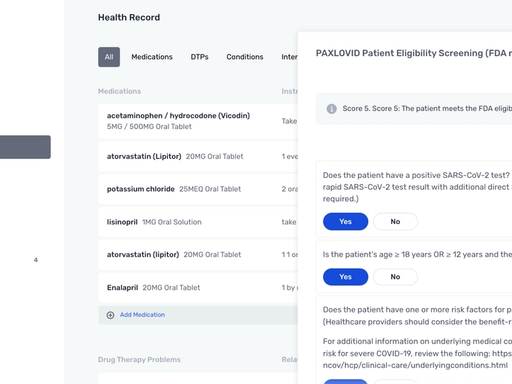
Standard screening and evaluation tools such as mental health assessments and test & treat screenings can ensure that pharmacists remember all information to gather and provide a consistent patient experience.

It’s no secret that the COVID-19 pandemic strained hospitals, pharmacies, and clinics to their breaking point — and the healthcare workers that operate them.

CPT codes describe services, not drugs, and they are how pharmacies get paid for clinical care under the medical benefit. Here is whether medications have CPT codes, the codes pharmacies actually bill, from MTM and vaccine administration to point-of-care testing, and how to use them without triggering denials.
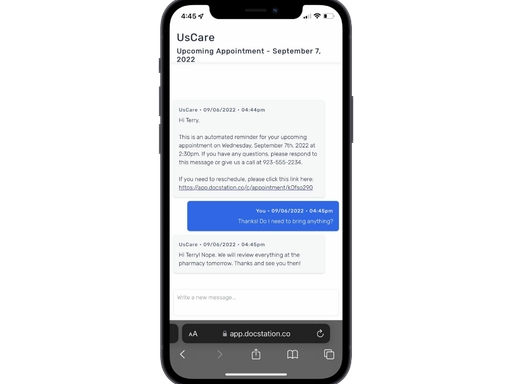
A secure SMS patient messaging feature pairs perfectly with Open Scheduling to enhance pharmacy website functionality, reduce phone calls, and streamline clinical pharmacy workflow. Get started today.

Every insured patient carries two benefits. The pharmacy benefit adjudicates in seconds through a PBM; the medical benefit pays for services on 837P claims. Knowing which one covers which service is how pharmacies get paid for clinical care.
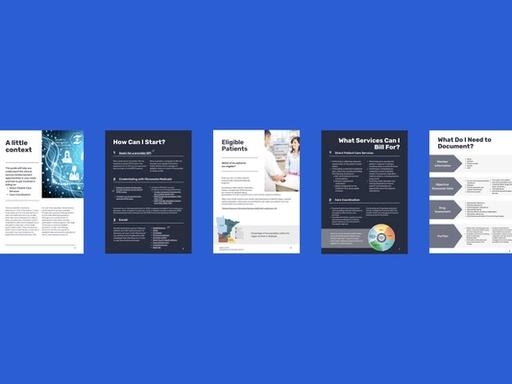
Billing for pharmacy services in Minnesota just got a lot easier!

The pharmacy profession is rapidly shifting. The pharmacist of yesterday was regarded as an individual who simply dispensed prescribed medications and counseled patients on those medicines. This work has been compensated at a dwindling rate. With swift advances in technology, the pharmacist of tomorrow is moving toward a more involved clinical role.
The DocStation Customer Success team is your partner in implementing DocStation’s software platform to drive new revenue opportunities for your pharmacy. From CPT codes, credentialing & enrollment, to rejected claims processing, this team has the expertise and follow through to help you navigate the process easily!
As of March 2022, Pharmacists can directly prescribe and dispense hormonal contraceptives without a CPA (collaborative practice agreement) in 20 states (including the District of Columbia).

Greetings from all of us here at DocStation. We are excited to tell you about our innovative new value based care pharmacy program we are running in partnership with Devoted Health. We’re engaging pharmacists embedded within members’ communities to collaborate with primary care and specialist providers as a value based care team to promote preventative health and close gaps in care.

For pharmacies, it’s becoming more challenging to provide optimal healthcare to their patients and offer drugs at reasonable costs. One of the primary reasons is that reimbursements and fees from insurance plans, particularly Medicare Part D plans, can be confusing, vague, and unclear. Understanding how fees are assessed usurps a pharmacist’s valuable time. One such fee that causes uncertainty for pharmacies is a direct pharmacy fee called “DIR.”

PDC, proportion of days covered, is the adherence measure behind Star Ratings and pharmacy performance programs. Here is what it means, how to calculate it, how it differs from MPR, and what a good score looks like.

Earlier this week, I published a guest post on the Pharmacy Quality Alliance blog discussing the gaps in the pharmacy delivery system and the opportunities that the value-based care models present.
AUSTIN, Texas — DocStation, a patient care management platform for pharmacists, is partnered with the ONE Rx Project as its exclusive software provider.

AUSTIN, Texas — DocStation, a software company that works with health plans to mobilize pharmacists as front-line care providers, has raised a $3.1 million seed round.

Jeff is always learning, always evolving. He has been an actuary, a software engineer, a data engineer and has dabbled in creative pursuits such as songwriting and acting. Now he is combining those skills to reach his next evolution: a machine learning expert. Requiring equal parts of logic and creativity, machine learning has become a newfound passion and his prior roles have served as a natural progression to bring him to this cutting edge technology. From entering AI contests to pursuing a graduate degree in the field, Jeff is going all in. He’s competitive, hard working and always looking for new and interesting experiences to challenge himself.

AUSTIN, Texas. June 17, 2020 — DocStation, a patient care platform that partners with health plans to enable pharmacists to provide value-based care, has achieved Level 2 capability from Community Pharmacy Enhanced Services Network (CPESN) for the Pharmacist eCare Plan Initiative.

On Wednesday, April 8th 2020, the Department for Health and Human Services issued guidance authorizing licensed pharmacists to order and administer COVID-19 tests.

Simon is a delight. He’s one of those people you want to work with. He’s also one of those handy people who likes to fix things. A tinkerer, through and through, Simon is always down for taking things apart, learning with his hands, and then putting them back together even better than before.

John French, or “French” as we call him, likes to make things. At DocStation, he makes software, and outside of work he’s building his own software projects. He also makes music — playing bass in threedifferent bands. On top of all that, French is usually tinkering away on one or several other random projects (like building lighting setups for shows) at any given moment. With all of this making and tinkering, French’s mind is uniquely adept at blending the analytical with the creative — making him a great programmer and a wonderfully interesting guy to be around.

A nature lover and philosopher turned software engineer, Chris has always been thoughtful in life and in work. His quiet and low-key demeanor may lead you to believe that he’s not much of a risk-taker. Learning more about him, though, you find out there’s an exciting explorer beneath the surface that has steered him towards his path in life.

You’ve likely already met the lovely Aubree. She’s the face of DocStation for our pharmacy customers. She’s making sure things run smoothly and answering all your questions along the way.

He wants to make something he’s proud of — and eat all of your M&M’s.

John makes sense. Always. His powerful grasp on logic not only makes him a self-proclaimed math nerd, but also someone who can make all sorts of decisions rationally — using frameworks to guide him so that he’s not misled by a bit of outlier data. You may assume that someone as firmly planted in reasoning as John would seem somewhat cold or distant. But nope. He’s as warm and charming as he is logical. And we see that sort of balance in all aspects of his life. His life is one big balanced equation.

Coronavirus continues to sweep across our nation. Those of us that live in population dense areas are feeling impact on our day-to-day lives while rural America fears what may come. Experts warn of multiple waves of infection before herd immunity is achieved. A vaccine may take a year to develop.
This guide is adapted from an internal document we created at DocStation to help our employees work remotely (new and experienced alike). We’re fortunate that, as a 100% remote company, we’ve had a lot of practice at it. In light of many people joining the new WFH world, we’ve decided to publish it for everyone.

It takes a certain boldness to approach big problems — to be one person and look at a giant industry affecting millions of lives (say… like the American healthcare system, for instance), and think, “Yeah, I have an idea to make that better,” and then* actually do something about it.*
https://www.cms.gov/newsroom/fact-sheets/contract-year-2021-and-2022-medicare-advantage-and-part-d-proposed-rule-cms-4190-p-1

In June 2020, DocStation released a free version of the Pharmacist eCare Plan. This article talks about why we chose to do that and how we plan to help pharmacists do more for patients.
Breakthroughs in modern medicine have paved the way for antiviral drugs that could help prevent HIV; Researchers have identified methods to grow entire body parts from stem cells; Real-time language translation has been achieved by coupling voice recognition technology with artificial intelligence. These great innovations are changing the world as we know it, all while the healthcare technology industry is simply trying to figure out how to take patient information from one system and transfer it to another.

ASHP is a proud partner of U.S. National Health IT Week. This week, members of the ASHP Section of Pharmacy Informatics & Technology are sharing our stories within our organizations and beyond to showcase the role of pharmacy informatics professionals have on our patients.

We spent the second week of October trekking across Iowa to spend time with some of the most innovative pharmacy leaders in the country.
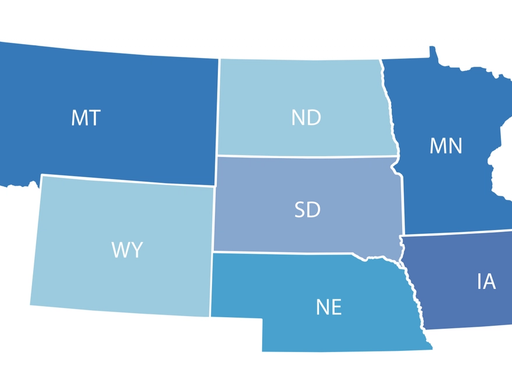
We’re headed to Iowa/Nebraska for a whirlwind tour that we’re dubbing DocStation’s Tour de Pharmacies 2018. We’re planning visits to some of the most innovative pharmacies in the country who are running cutting edge clinical practices. Our goal is to observe, listen, and take what we learn back to our team in Austin. We love getting in the trenches to build the best product for our pharmacists and their patients.

Pharmacists worldwide are increasingly expected to balance multiple roles—clinical advisor, medication specialist, patient advocate, and business manager. Today, every process needs to be well-organized, from handling medication records and patient data to coordinating with insurers and other healthcare entities. As digital tools keep growing in sophistication, the medical industry has seen tremendous shifts in how data is stored, shared, and secured.
Select group among the first to use revolutionary software.

Specialty pharmacy is a unique and complex sector of the health care industry. High cost pharmaceutical products are dispensed by specialty pharmacies to treat complex and often rare disease states. Data have a major impact on the industry for clinical and business reasons.

Support at the state level will fuel pharmacists’ path to payment.

In the complex and often challenging landscape of modern healthcare, access to timely, high-quality, and affordable care remains a significant hurdle for millions. The growing shortage of physicians, particularly in primary care and rural areas, is a critical challenge facing the U.S. healthcare system today. Forecasts predict a significant deficit in the coming years, leading to increase
Discover how DocStation can help you modernize your billing operations and maximize clinical service revenue