News
85 Articles
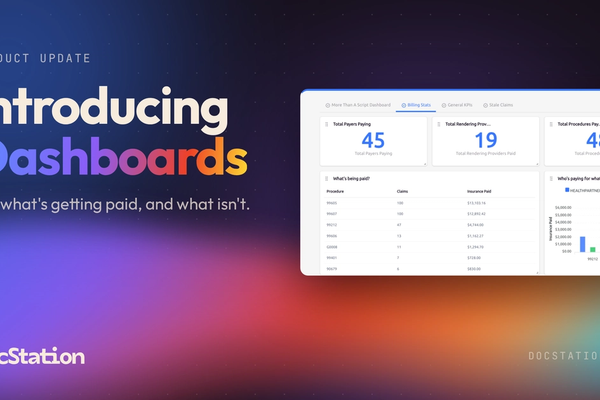
Introducing Dashboards: See What's Getting Paid, and What Isn't
Dashboards bring analytics and insights into DocStation. Track payers, procedures, claims, and tasks, and build custom charts from your own data.

When the Vaccine Conversation Doesn't End in a Shot
New CPT codes make standalone immunization counseling worth testing. Here is a practical payer-by-payer pilot for pharmacy teams.

Michigan Pharmacists Can Now Bill Medicaid for Vaccines, Testing, and Contraception
Effective July 1, 2026, Michigan Medicaid pays pharmacists for immunizations, CLIA-waived testing, test-and-treat, and contraception. Here is how to bill it.
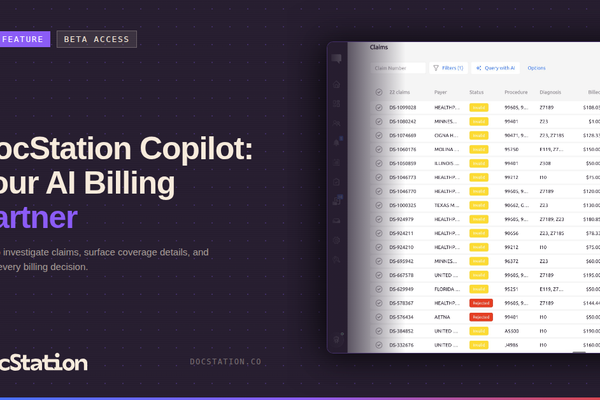
DocStation Copilot: Your AI Billing Partner
We built DocStation Copilot to be everywhere for your pharmacy. Here's where we are - with plenty of room to grow. Join the beta release to become part of this story.
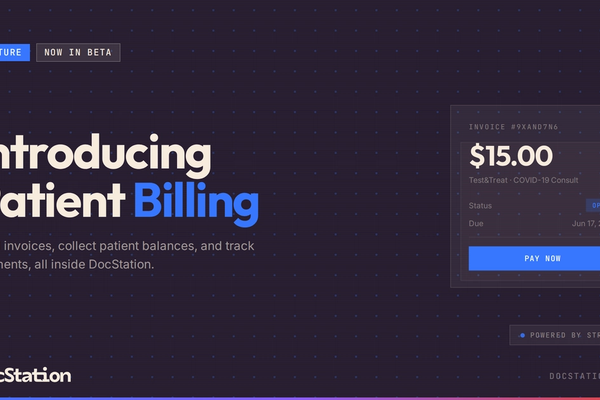
Introducing Patient Billing: Collect Patient Payments Without Ever Leaving DocStation
Pharmacies billing medical claims have gotten good at collecting from payers. Collecting from patients is a different story. Patient Billing is a new DocStation feature that closes that gap, giving your team a way to create invoices, send secure payment links, and track exactly what was collected, all without leaving the platform.

The Human Element: How AI and Automation Are Improving (Not Replacing) Modern Pharmacy
If you’ve ever wondered, “Will AI replace pharmacists?” you’re not alone. These kinds of questions are circulating among professionals as AI and automation make their way into the healthcare industry. The short answer is: no. AI and automation aren’t meant to replace pharmacists. Instead, they’re here to enhance the vital, human-centered services that you already provide.

1 Myth and 3 Truths About When to Use CPT Code 99211
Let’s clear up the confusion by debunking one common myth and revealing three important truths about CPT code 99211 that every pharmacist should know.

How is Automation Actually Used in Pharmacy and Why is it Important?
In simple terms, automation in pharmacy refers to the use of technology to carry out tasks that were previously performed manually by pharmacists and staff. The goal of pharmacy automation is to streamline routine processes, improve accuracy, and free up pharmacists to focus on patient care rather than administrative tasks.

The 6 Revenue Cycle Stages Healthcare Providers Can’t Afford to Ignore
The revenue cycle begins the moment a patient schedules an appointment. Whether they’re visiting for a routine check-up or filling a prescription, proper patient registration ensures that your healthcare facility has accurate contact and billing information. This is the cornerstone of the process, as errors at this stage can snowball and cause issues down the line.

Why Skipping Data Backup in Pharmacy Management Software Could Cost You Everything
Let’s understand why skipping data backup in pharmacy management software could cost you everything and why investing in a reliable backup solution is more critical than ever

Can Solo Pharmacists Provide Telehealth Services Without a Physical Location? Essential Credentialing Insights
Telehealth has transformed healthcare delivery, allowing patients to access care remotely. From virtual doctor visits to digital health consultations with specialists, telemedicine has become a viable option for many healthcare providers. Pharmacists are also entering this space, offering services that range from medication management to remote patient monitoring. For solo pharmacist telehealth, offering telehealth services means greater flexibility, the potential to expand their practice, and the ability to reach patients who may have difficulty accessing traditional in-person care.

Pharmacists Bridging the Healthcare Gap and Filling the Doctor Shortage
In this landscape, pharmacists are emerging as key players in filling the gaps left by the shortage of doctors. With their specialized training, broad knowledge of medications, and focus on patient care, pharmacists have the potential to improve healthcare access and patient outcomes in ways that benefit both the healthcare system and patients. But to fully realize this potential, it is essential to expand the pharmacist’s scope of practice, recognize their pharmacist provider status, and integrate them into collaborative healthcare teams.

5 Must-Run Pharmacy Reports That Could Be Costing You Big If You’re Not Using Them
Medication adherence is one of the most important factors in improving patient outcomes. When patients don’t take their medications as prescribed, it can lead to worse health conditions, higher hospital readmission rates, and ultimately higher healthcare costs. However, many pharmacies fail to track patient adherence on a consistent basis. Without these reports, you miss out on identifying gaps in care and opportunities to improve patient engagement.

How Cutting-Edge Innovation in Pharmacy is Shaping the Future of Managed Care
The role of the pharmacist is evolving. No longer just dispensers of medication, pharmacists are becoming integral members of the healthcare team. With the rapid growth of managed care, pharmacists now play a crucial role in optimizing health outcomes, improving medication adherence, and managing chronic diseases. The integration of cutting-edge innovations into pharmacy practice is not only streamlining operations but is also improving patient care in unprecedented ways.

Maximizing Claim Reimbursement: A Guide for Pharmacies
Navigating the world of pharmacy insurance reimbursement can be challenging. Pharmacies often face complex billing requirements, payer-specific rules, and frequent claim denials. To ensure that your pharmacy receives appropriate compensation for services rendered, it’s crucial to have proactive insurance reimbursement strategies in place. Without a structured approach, pharmacies can struggle to get reimbursed properly, which affects cash flow and overall financial health.

Payer Contracting vs. Credentialing: What Pharmacies Should Know
For pharmacies, payer contracting and credentialing are integral to providing services that are reimbursed by insurance companies. Both are essential parts of joining pharmacy insurance networks, but they serve different purposes and require separate steps. Understanding the differences between credentialing vs. contracting can help pharmacies navigate these processes more efficiently and avoid delays or rejections.

What Types of Clinical Documentation Does DocStation Support? Essential Info for Pharmacists
Clinical documentation is a cornerstone of modern pharmacy practice. As a pharmacist, maintaining precise and up-to-date pharmacy patient records is essential for ensuring continuity of care, supporting patient safety, and improving health outcomes. Pharmacist clinical documentation isn’t just a record-keeping task; it plays a vital role in the care plan documentation, facilitating pharmacist interventions and guiding the patient care process.

Medicare Part B Coverage for COVID and RSV Vaccines
Medicare Part B covers COVID‑19 vaccines broadly. Updated 2024–2025 formulations from Moderna, Pfizer‑BioNTech, or Novavax are covered for anyone with Medicare, including those who are older or immunocompromised.

What to Do When Your Medicare Vaccine Claim Is Denied
You start by carefully reviewing the Medicare Explanation of Benefits or remittance advice. These documents include denial codes that reveal why a vaccine claim was rejected. Every code means something specific, like eligibility lapse, missing documentation, or mismatched coding with the vaccine date, dosage, or setting.

What Does My Insurance Contract Mean? Understanding Your Billing Authority Between Medicare Advantage, Medicaid, and Commercial Populations
Effective payer contract analysis begins by identifying and thoroughly understanding the contract’s foundational elements:

State-by-State Vaccine Reimbursement: What Pharmacies Need to Know
When pharmacists across the country administer vaccines, they step into a landscape shaped not only by clinical standards but also by a patchwork of regional immunization reimbursement rules. Medicare Part B billing by region varies. Pharmacies in one state may receive a higher rate for an influenza vaccine while others lag behind. These regional billing variations matter deeply. They influence whether providers stock certain vaccines and determine their financial viability. Behind every dose lies a complex intersection of state‑specific reimbursement expectations and operational realities. Understanding how vaccine coverage and payment rates differ across geographies is no longer optional but essential for pharmacy teams.

Troubleshooting Insurance Verification: Common Issues and Solutions
Insurance verification is one of the most important front-end RCM processes in pharmacy operations. A clean claim starts with accurate eligibility checks. Without proper verification, pharmacy insurance issues quickly spiral into denied claims, delayed payments, and patient dissatisfaction. For pharmacists and staff, troubleshooting insurance verification is not just about catching errors but creating a system that anticipates problems before they appear.

Top 7 Revenue Leakage Pitfalls for Multi-Location Pharmacies
In the fast-paced world of multi-location pharmacies, revenue leakage can be a silent yet dangerous threat to profitability. While pharmacies are expected to provide essential healthcare services, many struggle with operational inefficiencies that directly impact their bottom line. The absence of proper visibility into the revenue cycle can lead to missed opportunities for reimbursement, delayed payments, and financial instability.

The ROI of Real-Time RCM Dashboards for Pharmacy Enterprises
Running a pharmacy is no easy task, and when you add multiple locations to the mix, it can get even more complicated. Managing revenue and cash flow becomes crucial as pharmacies strive to stay profitable, competitive, and efficient. In the past, pharmacies relied heavily on spreadsheets and manual processes to track finances, but this approach is no longer practical or efficient. Today, pharmacy enterprise chains are turning to real-time RCM (Revenue Cycle Management) dashboards to get an accurate, immediate view of their financial health. These dashboards provide powerful pharmacy revenue cycle management tools that enable better decision-making, proactive issue resolution, and significant cost savings.
How A Pharmacy Cut Denial Rates by 30% with RCM
Denial rates are a common challenge for pharmacies across the country. For many, dealing with denied claims can be frustrating, time-consuming, and ultimately harmful to cash flow. In an industry where timely payments are crucial, denied claims can significantly impact a pharmacy’s bottom line. But what if there was a way to not only reduce denials but also improve overall collections and cash flow? This is the success story of how one of our customers, a multi-location pharmacy, achieved exactly that. With the help of advanced pharmacy RCM automation and pharmacy software to improve collections and cash flow, our esteemed client was able to reduce their denial rates by 30%, turning their financial struggles into a success.

Billing for Flu, COVID, and RSV Vaccines: Key Differences
In recent years, pharmacies have become a central force in delivering immunizations, particularly in times of crisis like the COVID-19 pandemic. It’s no surprise that people turn to pharmacies for their accessibility, extended hours, and convenience. For many, the local pharmacy is where they go first to get their flu shots, COVID-19 vaccines, or RSV immunizations.

Navigating the Nuances of Medicare Billing for Immunizations
When it comes to providing essential vaccinations to seniors and individuals with certain health conditions, pharmacies play an essential role in ensuring that immunizations are accessible. However, billing for these services, especially under Medicare immunization billing, can be daunting due to the complex web of rules, codes, and regulations that vary across payers.
Mastering Pharmacy RCM: A Guide to Identifying Revenue Leakage & Improving Cashflow
Pharmacy RCM encompasses all the administrative and clinical functions involved in processing a pharmacy’s claims, from prescription intake through to payment receipt. It includes verifying patient eligibility, ensuring accurate medication dispensing, coding the claim correctly, submitting claims to insurance providers, and managing denied claims. At the core of pharmacy RCM is ensuring that the pharmacy is reimbursed for its services accurately and in a timely manner.

5 Signs Your Billing Software Is Causing Revenue Leakage
Inefficient pharmacy billing software can be a silent culprit behind revenue leakage, causing pharmacies to lose significant income without realizing it. Let’s explore the top signs your billing software might be causing financial loss.

How to Implement Billing Software Across Multiple Locations
One of the biggest hurdles pharmacies face when implementing new pharmacy billing software for multi-location pharmacies is the fear of disruption. Transitioning from an old system to a new one involves risks, especially when you have multiple locations to manage. Pharmacy leaders often worry about the complexities of managing the process, potential downtime, and the learning curve for staff.

The Ultimate Guide to Pharmacy Billing Software for Multi-Location Enterprises
Pharmacies that operate across multiple locations face unique challenges, especially when it comes to managing billing processes. Manual processes or disparate systems at different locations can cause delays, errors, and inefficiencies. Implementing the right pharmacy billing software for multi-location pharmacies helps streamline operations, reduce operational costs, and ensure consistency across the board.

Medical Billing for Vaccines: 132% More Revenue Per Shot
With flu season approaching and prescription margins continuing to shrink, independent and regional pharmacies are facing unprecedented pressure to find new revenue streams. DocStation’s innovative pharmacy software has just launched a revolutionary vaccine billing solution that could transform how pharmacies approach medical billing—and early results are already exceeding expectations.

Medicare Part B Billing Automation: Payer Determination & Eligibility Verification
Medicare Part B billing for pharmacy services shouldn’t feel like solving a puzzle with missing pieces. Yet for too long, pharmacy providers have struggled with the complexities of determining the right payer, validating coverage, and ensuring claims are submitted correctly the first time.

Managing Multiple Insurance Coverage: Secondary Insurance and Coordination of Benefits
Coordinating multiple insurance coverages is no longer the exception—it’s becoming the norm. With patients increasingly covered by more than one insurer, pharmacies must adjust to a billing environment that demands precision, compliance, and robust claim tracking. You face challenges like identifying the correct payer order, gathering complete coverage details, and billing within the required timeframes. Failure to manage these tasks results in denied claims, delayed payments, and unnecessary administrative costs. This complexity underscores why mastering secondary insurance billing and the pharmacy COB process is vital for long-term operational and financial health.
Managing Multiple Insurance Coverage: Secondary Insurance and Coordination of Benefits
Coordinating multiple insurance coverages is no longer the exception—it’s becoming the norm. With patients increasingly covered by more than one insurer, pharmacies must adjust to a billing environment that demands precision, compliance, and robust claim tracking. You face challenges like identifying the correct payer order, gathering complete coverage details, and billing within the required timeframes. Failure to manage these tasks results in denied claims, delayed payments, and unnecessary administrative costs. This complexity underscores why mastering secondary insurance billing and the pharmacy COB process is vital for long-term operational and financial health.

Boost Revenue by Submitting Pharmacy Vaccine Claims to Medical Benefit
Navigating the complexities of vaccine billing requires a clear understanding of the medical benefit landscape. Vaccines can be covered under either the pharmacy or medical benefit, depending on the payer and the specific vaccine. For instance, Medicare Part B covers certain vaccines like influenza and pneumococcal, while others like shingles may fall under Part D. Understanding these distinctions is crucial for accurate billing and maximizing reimbursement.

Flu Shots: Are You Billing For Both The Product and Administration To Maximize Reimbursement?
Flu shot reimbursements are more lucrative than many pharmacists realize. Each year, countless pharmacies, clinics, and health systems miss out on thousands of dollars in unclaimed revenue simply by failing to bill accurately for both the influenza vaccine product and its administration.

Flu Shots: Are You Billing For Both The Product and Administration To Maximize Reimbursement?
Flu shot reimbursements are more lucrative than many pharmacists realize. Each year, countless pharmacies, clinics, and health systems miss out on thousands of dollars in unclaimed revenue simply by failing to bill accurately for both the influenza vaccine product and its administration.

EDI Enrollment: Essential Definitions and Their Importance in Medical Billing
In today’s fast-paced healthcare environment, staying ahead of the game is crucial to ensure smooth, efficient, and compliant medical billing. Electronic Data Interchange (EDI) is at the heart of that process, streamlining communication between healthcare providers, insurance companies, and clearinghouses. EDI enables you to submit claims, check patient eligibility, track claim status, and receive electronic remittance advice (ERA), all of which are essential for maintaining a healthy revenue cycle. However, one thing is often overlooked: the importance of EDI enrollment before starting the billing process.

Key Telehealth Updates in the 2025 Medicare Physician Fee Schedule
CMS has added several new Current Procedural Terminology (CPT) codes to expand telehealth services:

What You Should Know: Ensuring Your Pharmacy and Staff Are Registered Appropriately to Bill Medical Claims
Billing medical claims isn’t just about submitting codes and hoping for reimbursement. It starts with registration—and if your pharmacy or staff isn’t set up correctly, you’re risking rejected claims, delayed payments, and compliance issues. Whether you’re launching medical billing for the first time or expanding services, how you register matters.

What You Should Know: Ensuring Your Pharmacy and Staff Are Registered Appropriately to Bill Medical Claims
Billing medical claims isn’t just about submitting codes and hoping for reimbursement. It starts with registration—and if your pharmacy or staff isn’t set up correctly, you’re risking rejected claims, delayed payments, and compliance issues. Whether you’re launching medical billing for the first time or expanding services, how you register matters.

The 7 Revenue Cycle Stages Healthcare Providers Can’t Afford to Ignore
In the heart of a bustling clinic, you notice that despite a steady stream of patients, the financial health of your practice isn’t reflecting the hard work you put in daily. Delayed reimbursements and frequent claim denials have become all too common, threatening the quality of care you strive to provide. This scenario underscores a critical aspect of healthcare operations: mastering the healthcare revenue cycle is essential for financial stability and also for delivering uninterrupted patient care.

Automation in Patient Care: How It Can Support Efficiency and Revenue Growth
Healthcare providers often struggle with administrative bottlenecks, compliance complexities, and ever-rising operational costs. At the same time, they are under pressure to provide an elevated level of patient care and maintain fiscal well-being. This is precisely where automation becomes a catalyst for ongoing improvement, reducing errors, enhancing patient experiences, and boosting revenue cycles.

A Guide for Pharmacists to Transform Patient Touchpoints into Billable Encounters
In the evolving landscape of healthcare, community pharmacies are uniquely positioned to enhance patient care by integrating clinical services into routine operations. By transforming everyday patient touchpoints into billable encounters, pharmacies can improve health outcomes and secure additional revenue streams. This comprehensive guide provides a roadmap for pharmacies aiming to make this pivotal transition to billing for clinical services.

A Guide for Pharmacists to Transform Patient Touchpoints into Billable Encounters
In the evolving landscape of healthcare, community pharmacies are uniquely positioned to enhance patient care by integrating clinical services into routine operations. By transforming everyday patient touchpoints into billable encounters, pharmacies can improve health outcomes and secure additional revenue streams. This comprehensive guide provides a roadmap for pharmacies aiming to make this pivotal transition to billing for clinical services.

Preventing Claim Rejections: Best Practices for Clean Claims
Imagine you run a healthcare practice where your team submits dozens of claims for reimbursement one day. A week later, you noticed that a large number of those claims were denied. The reasons vary—one claim has an incorrect CPT code, another is missing a required modifier, and one patient’s insurance was inactive on the date of service.

Managing Multiple Insurance Coverage: Secondary Insurance and Coordination of Benefits
The complexity of handling multiple medical insurance claims demands a systematic approach to ensure accurate processing, timely reimbursements, and compliance. Secondary insurance billing and coordination of benefits (COB) are integral to managing these claims efficiently, ensuring patients receive maximum coverage while pharmacies maintain financial stability.

Understanding and Resolving Claim Remit Codes
Claim remittance advice codes—commonly referred to as CARCs (Claim Adjustment Reason Codes) and RARCs (Remittance Advice Remark Codes)—are an essential part of the healthcare billing landscape. These codes provide critical insights into why a healthcare claim has been adjusted, denied, or paid differently than expected.

Pharmacy Claim Adjudication Basics: Understanding BIN, PCN, and Rejection Codes
It’s a busy Monday morning at a neighborhood pharmacy. Jane, the pharmacist, greets her first customer of the day, Mr. Roberts, who needs his prescription refilled. As she processes his insurance card, Jane notices a rejection: “Invalid BIN/PCN.” Knowing how to decipher these codes is crucial to ensure Mr. Roberts receives his medication without delays.

Best Practices for Pharmacies to Streamline Prior Authorization
Prior authorization (PA) is a gatekeeping process used by payers to ensure the appropriateness of prescribed treatments or medications. Although essential, it creates administrative hurdles that often delay care and increase the workload for pharmacies. Pharmacies need solutions that streamline the PA process while ensuring compliance, efficiency, and timely patient care.

When to Use CPT Code 99211 – 1 Myth and 3 Truths
A patient with diabetes visits a neighborhood pharmacy for a quick follow-up, seeking advice on managing blood sugar levels. The pharmacist evaluates the patient’s glucose log, discusses minor dietary adjustments, and reinforces the importance of medication adherence. Though brief, this interaction reflects meaningful clinical care. The question arises—can this encounter be billed under CPT code 99211?

The 5 Most Frustrating Pharmacy Software Issues (and How to Fix Them!)
Pharmacy operations have become increasingly complex as patient expectations rise and regulatory demands grow. Unfortunately, many pharmacies still rely on outdated software systems, creating obstacles that affect efficiency, compliance, and patient satisfaction. Among the most pressing challenges is the problem of medical insurance claim processing issues. This not only impacts pharmacy revenue but also disrupts patient trust and care delivery.

2023 Provider Status Legislation Updates
Passed HB 1007 which expands RPh’s authority to prescribe HIV PrEP/PEP via a statewide protocol.

Unleashing our Magic: A Q&A with DocStation’s Marketing Director on the new brand
We are moving into the next phase of growth here at DocStation and really wanted that growth to be reflected in the brand image and messaging. Our mission is to be a champion for pharmacies and to get pharmacies paid for healthcare services but that vision was a little lost in our old image. I think that distinct vision comes across more clearly with this refresh.

How to Manage Healthcare Burnout in Your Pharmacy
It’s no secret that the COVID-19 pandemic strained hospitals, pharmacies, and clinics to their breaking point — and the healthcare workers that operate them.
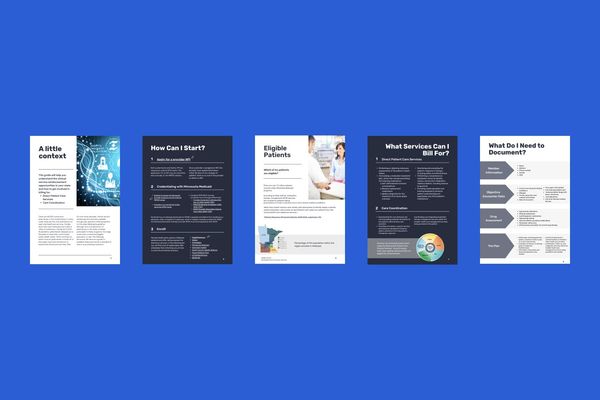
Check out DocStation’s Comprehensive “Minnesota Pharmacy Billing Guide”
Billing for pharmacy services in Minnesota just got a lot easier!

The Future of Pharmacy: How Technology Will Impact the Industry
The pharmacy profession is rapidly shifting. The pharmacist of yesterday was regarded as an individual who simply dispensed prescribed medications and counseled patients on those medicines. This work has been compensated at a dwindling rate. With swift advances in technology, the pharmacist of tomorrow is moving toward a more involved clinical role.
Meet Your Provider Status SWAT Team
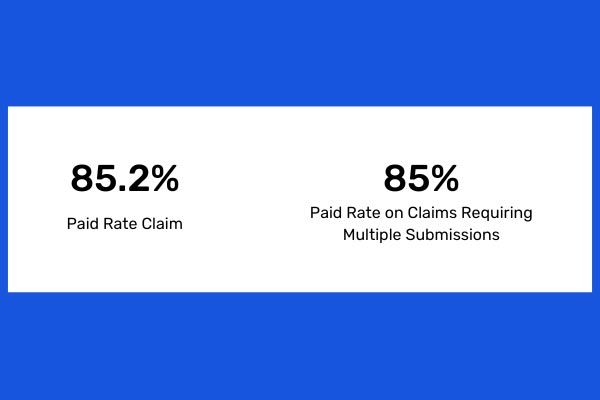
The DocStation Customer Success team is your partner in implementing DocStation’s software platform to drive new revenue opportunities for your pharmacy. From CPT codes, credentialing & enrollment, to rejected claims processing, this team has the expertise and follow through to help you navigate the process easily!

Pharmacists Can Prescribe Hormonal Contraceptives in 20 U.S. States
As of March 2022, Pharmacists can directly prescribe and dispense hormonal contraceptives without a CPA (collaborative practice agreement) in 20 states (including the District of Columbia).

DocStation Teams up with Devoted Health to Close Gaps in Care
Greetings from all of us here at DocStation. We are excited to tell you about our innovative new value based care pharmacy program we are running in partnership with Devoted Health. We’re engaging pharmacists embedded within members’ communities to collaborate with primary care and specialist providers as a value based care team to promote preventative health and close gaps in care.

DIR Fees: How They Affect Drug Prices & Pharmacies
For pharmacies, it’s becoming more challenging to provide optimal healthcare to their patients and offer drugs at reasonable costs. One of the primary reasons is that reimbursements and fees from insurance plans, particularly Medicare Part D plans, can be confusing, vague, and unclear. Understanding how fees are assessed usurps a pharmacist’s valuable time. One such fee that causes uncertainty for pharmacies is a direct pharmacy fee called “DIR.”

What Does PDC Stand for in Pharmacy & How Do You Measure It?
PDC, proportion of days covered, is the adherence measure behind Star Ratings and pharmacy performance programs. Here is what it means, how to calculate it, how it differs from MPR, and what a good score looks like.

The Future of Pharmacy is Value-Based, Part Two
Earlier this week, I published a guest post on the Pharmacy Quality Alliance blog discussing the gaps in the pharmacy delivery system and the opportunities that the value-based care models present.

DocStation Partners with ONE Rx To Combat Opioid Misuse in North Dakota
AUSTIN, Texas — DocStation, a patient care management platform for pharmacists, is partnered with the ONE Rx Project as its exclusive software provider.

DocStation Raises $3.1M To Make Pharmacists Front-Line Providers
AUSTIN, Texas — DocStation, a software company that works with health plans to mobilize pharmacists as front-line care providers, has raised a $3.1 million seed round.

Meet Jeff!
Jeff is always learning, always evolving. He has been an actuary, a software engineer, a data engineer and has dabbled in creative pursuits such as songwriting and acting. Now he is combining those skills to reach his next evolution: a machine learning expert. Requiring equal parts of logic and creativity, machine learning has become a newfound passion and his prior roles have served as a natural progression to bring him to this cutting edge technology. From entering AI contests to pursuing a graduate degree in the field, Jeff is going all in. He’s competitive, hard working and always looking for new and interesting experiences to challenge himself.

DocStation achieves Level 2 capability for Pharmacist eCare Plan
AUSTIN, Texas. June 17, 2020 — DocStation, a patient care platform that partners with health plans to enable pharmacists to provide value-based care, has achieved Level 2 capability from Community Pharmacy Enhanced Services Network (CPESN) for the Pharmacist eCare Plan Initiative.

Wait — Can Pharmacists Bill for the Coronavirus Test?
On Wednesday, April 8th 2020, the Department for Health and Human Services issued guidance authorizing licensed pharmacists to order and administer COVID-19 tests.

Meet Simon!
Simon is a delight. He’s one of those people you want to work with. He’s also one of those handy people who likes to fix things. A tinkerer, through and through, Simon is always down for taking things apart, learning with his hands, and then putting them back together even better than before.

Meet French!
John French, or “French” as we call him, likes to make things. At DocStation, he makes software, and outside of work he’s building his own software projects. He also makes music — playing bass in threedifferent bands. On top of all that, French is usually tinkering away on one or several other random projects (like building lighting setups for shows) at any given moment. With all of this making and tinkering, French’s mind is uniquely adept at blending the analytical with the creative — making him a great programmer and a wonderfully interesting guy to be around.

Meet Chris!
A nature lover and philosopher turned software engineer, Chris has always been thoughtful in life and in work. His quiet and low-key demeanor may lead you to believe that he’s not much of a risk-taker. Learning more about him, though, you find out there’s an exciting explorer beneath the surface that has steered him towards his path in life.

Meet Aubree!
You’ve likely already met the lovely Aubree. She’s the face of DocStation for our pharmacy customers. She’s making sure things run smoothly and answering all your questions along the way.

Meet Josh!
He wants to make something he’s proud of — and eat all of your M&M’s.

Meet John!
John makes sense. Always. His powerful grasp on logic not only makes him a self-proclaimed math nerd, but also someone who can make all sorts of decisions rationally — using frameworks to guide him so that he’s not misled by a bit of outlier data. You may assume that someone as firmly planted in reasoning as John would seem somewhat cold or distant. But nope. He’s as warm and charming as he is logical. And we see that sort of balance in all aspects of his life. His life is one big balanced equation.
Staying sane while working remotely, tips from a Healthcare company
This guide is adapted from an internal document we created at DocStation to help our employees work remotely (new and experienced alike). We’re fortunate that, as a 100% remote company, we’ve had a lot of practice at it. In light of many people joining the new WFH world, we’ve decided to publish it for everyone.

Meet Samm!
It takes a certain boldness to approach big problems — to be one person and look at a giant industry affecting millions of lives (say… like the American healthcare system, for instance), and think, “Yeah, I have an idea to make that better,” and then* actually do something about it.*
The Pharmacist eCare Plan
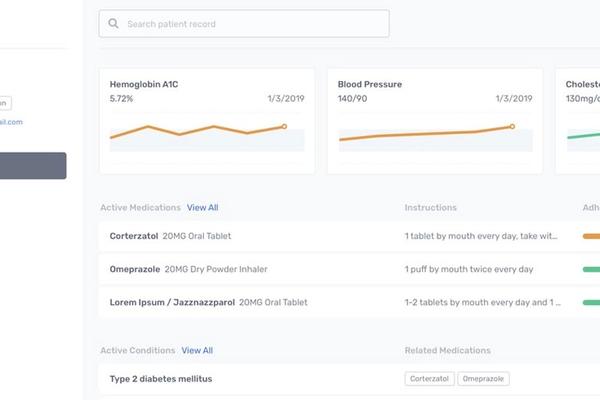
Breakthroughs in modern medicine have paved the way for antiviral drugs that could help prevent HIV; Researchers have identified methods to grow entire body parts from stem cells; Real-time language translation has been achieved by coupling voice recognition technology with artificial intelligence. These great innovations are changing the world as we know it, all while the healthcare technology industry is simply trying to figure out how to take patient information from one system and transfer it to another.

Leveraging Technology for Value-Based Pharmacy Models
ASHP is a proud partner of U.S. National Health IT Week. This week, members of the ASHP Section of Pharmacy Informatics & Technology are sharing our stories within our organizations and beyond to showcase the role of pharmacy informatics professionals have on our patients.

DocStation’s Tour de Pharmacies 2018
We spent the second week of October trekking across Iowa to spend time with some of the most innovative pharmacy leaders in the country.

DocStation’s Tour de Pharmacies 2018
We’re headed to Iowa/Nebraska for a whirlwind tour that we’re dubbing DocStation’s Tour de Pharmacies 2018. We’re planning visits to some of the most innovative pharmacies in the country who are running cutting edge clinical practices. Our goal is to observe, listen, and take what we learn back to our team in Austin. We love getting in the trenches to build the best product for our pharmacists and their patients.

The Applications of Blockchain Technology in Healthcare
Pharmacists worldwide are increasingly expected to balance multiple roles—clinical advisor, medication specialist, patient advocate, and business manager. Today, every process needs to be well-organized, from handling medication records and patient data to coordinating with insurers and other healthcare entities. As digital tools keep growing in sophistication, the medical industry has seen tremendous shifts in how data is stored, shared, and secured.
DocStation released to Pharmacy Innovators
Select group among the first to use revolutionary software.

Provider Status is Inevitable
Support at the state level will fuel pharmacists’ path to payment.

Pharmacist Providers: An Untapped Resource
In the complex and often challenging landscape of modern healthcare, access to timely, high-quality, and affordable care remains a significant hurdle for millions. The growing shortage of physicians, particularly in primary care and rural areas, is a critical challenge facing the U.S. healthcare system today. Forecasts predict a significant deficit in the coming years, leading to increase